What is Micro-Export and How is it Done?
With the momentum gained by the digital world in recent years, e-commerce has brought the concept of micro export to the forefront more frequently. As borders gradually disappear with advancing digital technology and the global perception of trade changes, a trade network built on e-commerce, e-export, and micro export methods has begun to replace traditional trade practices. In this context, especially during the pandemic period, traders and countries that were able to see micro export as an opportunity secured economically advantageous positions through the right strategic moves. In this article, we will examine micro export, one of the key concepts that has become central to our lives, under the headings “What is micro export?”, “How is micro export done?”, and “Advantages of micro export”.
What Is Micro Export?
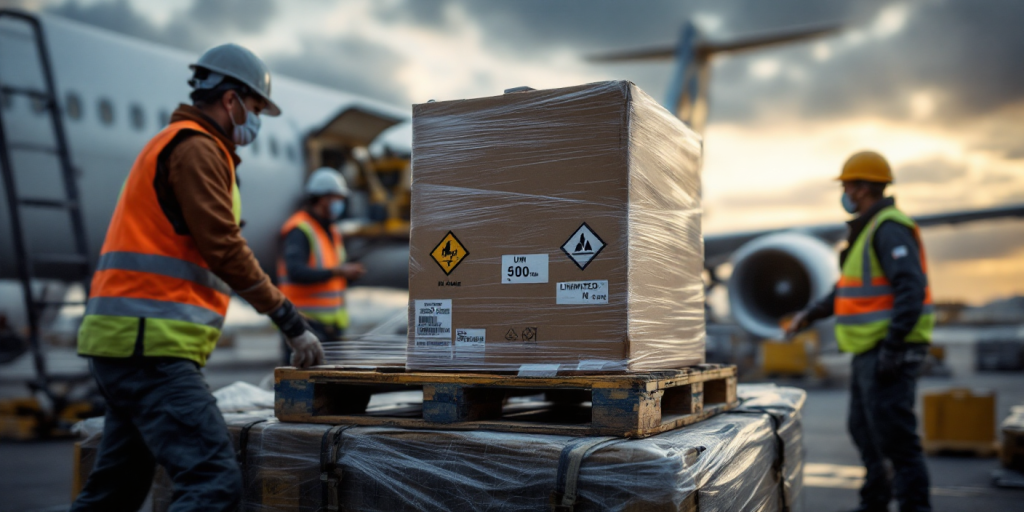
The sale of a product in exchange for foreign currency is called “export”. Micro export refers to paid exports in which products weighing up to 300 kg and with a value not exceeding 15,000 EUR are sold abroad via the ETGB (Electronic Trade Customs Declaration).
How Is Micro Export Done and What Is the Micro Export Limit?
If a shipment to be sold abroad meets both conditions of having a maximum weight of 300 kg and a maximum value of 15,000 EUR, any company that meets these criteria can carry out micro export. The key point to note here is that, for an export transaction to be considered micro export, it must be carried out strictly for the purpose of a final sale. In this regard, products sent to be returned for repair, shipments subject to the inward processing regime, and shipments sent for exhibition or fair purposes are not included within the scope of micro export.
How Can I Do Micro Export with QuickShipper?
Carrying out micro export with QuickShipper consists of very simple steps.
In order to ship under the scope of micro export, you must be a taxpayer and have a registered company. If you have a sole proprietorship, you can complete the process via e-government. If you have a limited or joint stock company, you can apply for customs taxpayer registration by submitting a petition to the nearest customs directorate together with the signature circular, tax certificate, and a copy of the authorized person’s ID.
Example petition text:
“…………………………………… Customs Directorate
I kindly request that customs taxpayer registration be completed for my company named ………………… with tax number …………. registered with …………….. tax office, within the scope of micro export and ETGB.
Name Surname
Stamp Signature”
Advantages of Micro Export
Micro export is a highly advantageous system for small, medium, and large-scale companies. These advantages can be summarized as follows:
-
Documentation is easier since it is carried out digitally
-
Saves time and paper
-
No exporter association approval is required
-
Shipments can be made even on weekends
-
Customs procedures are fast and simple
-
Buyers receive products quickly
-
VAT refund is obtained
-
No declaration or storage fees are paid
-
No power of attorney is required
Contact us now to get detailed information about micro export.

 QUICKSHIPPER

 QUICKSHIPPER