What are MSDS and DG? How is Hazardous Materials Transported?
MSDS, known as the abbreviation of Material Safety Data Sheets, is referred to in Turkish as “Malzeme Güvenlik Bilgi Formu.” In daily practice, it is also commonly used with the abbreviation SDS.
A Material Safety Data Sheet is a written document that functions like an identification card and guides users by indicating the potential hazards of chemical substances (such as health risks, fire hazards, reactivity, and environmental damage). It also explains how chemicals should be used safely and provides information on storage, transportation, and emergency procedures. It is a legal requirement for these forms to be kept in Turkish at workplaces. They must be monitored and checked regularly, and an MSDS document must be prepared specifically for each company and each product.
DG is another abbreviation that has entered common usage from English and stands for “Dangerous Goods,” meaning “Tehlikeli Madde.” DGR stands for “Dangerous Goods Regulations,” meaning “Tehlikeli Madde Düzenlemeleri.” These regulations are updated every two years by international organizations, and carrier companies are expected to follow and comply with them during transportation. According to these regulations, the shipper also has the obligation to package the goods properly.
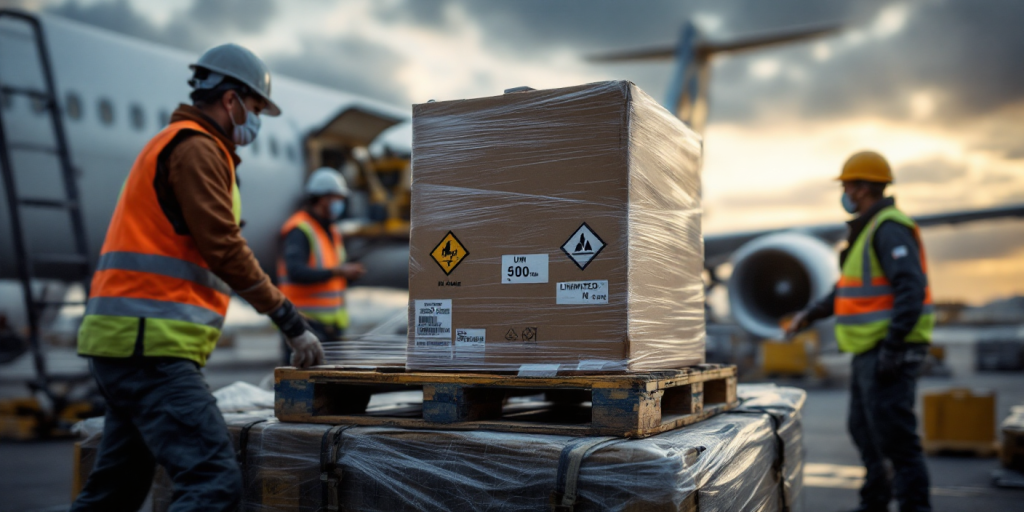
The transportation of dangerous goods and their placement within transport vehicles are carried out according to specific standards. For example, certain dangerous substances placed next to each other on an aircraft may interact and cause serious problems. Therefore, dangerous goods must be packaged in accordance with the relevant regulations, and their placement within vehicles must also be organized in line with these regulations.
How Is Dangerous Goods Shipping Abroad Carried Out?
After sharing your up-to-date MSDS report (issued within the last 1 year) with your carrier company and learning the freight cost and transportability details, you can ship your consignment through your logistics provider, provided that it has been packaged in accordance with UN standards. However, shipments that require such special transportation generally have higher freight costs. In addition, delays may occur during service planning due to factors such as vehicle availability.
Another important issue is how the packaging should be done. According to UN standards, the required packaging method is clearly stated in your MSDS report based on the type of material and the specific hazard class. You can obtain guidance from your carrier company on this matter, or have the packaging completed by companies specialized in UN-compliant packaging.
QuickShipper has an expert team specialized in DG transportation and operates as an authorized carrier.
Contact us now to carry out dangerous goods shipments abroad.







 QUICKSHIPPER

 QUICKSHIPPER