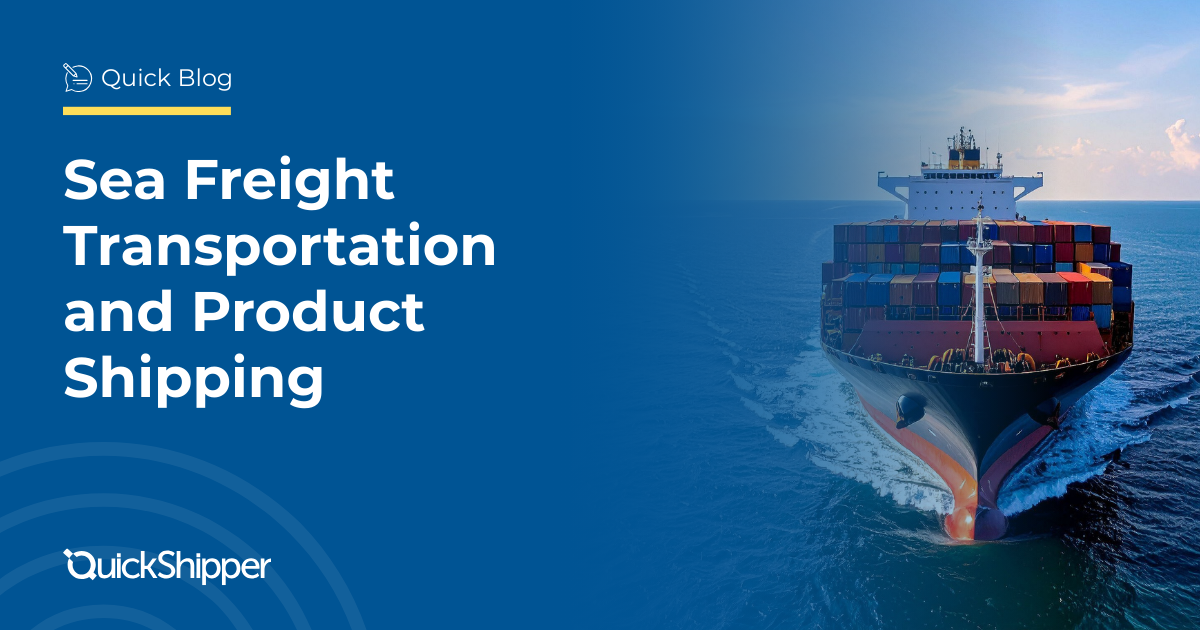
Sea Freight Transportation and Product Shipping
Sea Freight Transportation
Sea freight transportation is a preferred shipping method, especially for the export and import of large-volume cargo, due to the economical freight rates it offers. Sea freight transportation refers to the delivery of cargo from port to port via predefined maritime routes and at scheduled times. There are approximately 4,600 ports worldwide, and around 100 of these are of major global importance. Like other transportation modes, sea freight transportation is subject to certain rules. In this article, we will explain sea freight transportation and cargo shipping in general terms.
Advantages and Disadvantages of Sea Freight Transportation
The most important advantage of sea freight transportation is the ability to obtain the most cost-effective freight rates for large shipments. Historically, it is also one of the oldest transportation methods. With durable equipment, very high-tonnage cargo can be transported between continents. On the other hand, the long transit time required for cargo to reach its destination is a disadvantage. In addition, since voyages are made on open seas, ships can be significantly affected by adverse weather conditions, which may cause delays in scheduled arrivals. There is also a risk of loss or damage for relatively small shipments. Sea freight is more suitable for transporting large and heavy cargo in containers.
Sea Freight Transportation Methods
Many types of cargo can be transported by sea freight using different methods. As with other modes of transport, voyages can be direct or transshipment-based. Basically, sea freight transportation can be defined under two main categories: Tramp Transportation and Liner Transportation.
Tramp transportation refers to the shipment of cargo such as crude oil, timber, and minerals, where the vessel is loaded fully or largely at once without being tied to a fixed schedule or date.
Liner transportation, unlike tramp transportation, is a method in which ships operate on fixed schedules, departing from planned ports on predetermined dates after loading. The key factor here is the regularity of the service provided.
Documents Required for Sea Freight Transportation
As with other transportation modes, sea freight transportation also requires certain documents to be prepared in accordance with regulations. These documents include:
- Bill of Lading, abbreviated as B/L
- A.TR Certificate
- EUR Movement Certificate
- Customs Declaration
- Certificate of Origin
- Consular Invoice for export transactions
- Proforma invoice for export transactions
- Commercial Invoice
- Import permits for import transactions
Contact us to get more information about sea freight transportation and our alternative transportation methods.




 QUICKSHIPPER

 QUICKSHIPPER