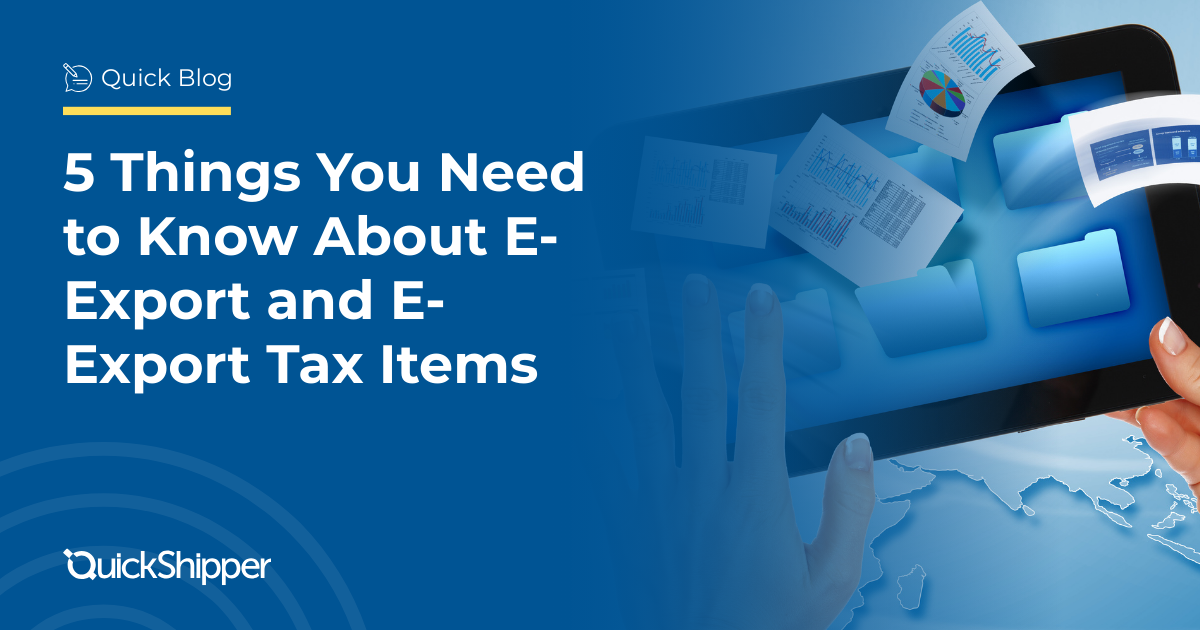
In the ever-changing commercial world, e-export has been developing with tremendous momentum and has become the very heart of global trade. In fact, the revenue volume of some major global e-commerce marketplaces has reached levels higher than the annual export revenues of certain countries. As the potential of e-export has reached this point, global e-commerce has opened a very important door for entrepreneurs seeking new markets. In this article, we aim to cover two key topics related to e-export, which has taken a central place in our commercial lives, by discussing “5 things you need to know about e-export” and “e-export tax items.”
5 Things You Need to Know to Engage in E-Export
-
Establishing a sole proprietorship is sufficient for e-export, and it is also possible to carry out e-export with other types of companies.
-
There are numerous e-commerce marketplaces operating worldwide. You can start e-export by listing your products on these platforms.
-
Global e-commerce platforms offer a wide range of services, both in terms of payment methods and logistics processes.
-
E-export presents significant opportunities for many companies, especially SMEs operating within Turkey. Thanks to government incentives and support for e-export, commercial costs can be reduced.
-
QuickShipper offers fast delivery, cost-effective solutions, and maximum security for international shipments for companies engaged in e-export—that is, entrepreneurs and SMEs carrying out micro-export through e-commerce. To receive assistance with the methods mentioned above and to start e-commerce immediately, you can get support from our expert team.
E-Export Tax Items
As with almost all commercial activities, e-export is also subject to certain taxes. There are various e-commerce taxes that may apply depending on the income you generate after sales. Companies or individuals that sell products wholesale or retail through e-commerce are required to pay several different types of taxes depending on their company structure.
Some of the tax items applicable when paying taxes in e-commerce include:
-
Withholding Tax Return
-
Stamp Duty
-
VAT (Value Added Tax)
-
Provisional Tax Return
-
Annual Income Tax (Simple Method)
-
Annual Income Tax
For more detailed information about e-export and its tax items, click here.



 QUICKSHIPPER

 QUICKSHIPPER